How to Start Investing in ETFs: A Beginner’s Guide
Investing can seem overwhelming — with stocks, mutual funds, bonds and a flood of financial jargon. But there is a simple, flexible way to begin: by investing in ETFs (Exchange‑Traded Funds). In this guide, we’ll explain what ETFs are, why they’re a powerful tool for beginners, and walk you through exactly how to get started.
What is an ETF?
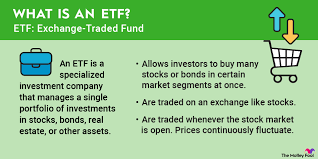
An ETF, or Exchange‑Traded Fund, is a type of investment fund that trades on a stock exchange just like a share. Instead of owning a single company’s stock, an ETF owns a collection (“basket”) of assets — often a broad range of stocks, bonds, or other securities — and when you buy a unit of the ETF, you own a small portion of that basket. :contentReference[oaicite:1]{index=1}
This means you get instant diversification, because your money is spread across many assets rather than tied to the performance of a single company. That lowers risk and smooths out volatility — a key benefit for new investors.
Why ETFs are Ideal for Beginners
ETFs have several advantages that make them particularly suitable for those new to investing:
- Diversification: By owning a basket of securities, you reduce the risk that comes with putting too much money into one company or sector.
- Cost-efficiency: ETFs generally have lower fees than actively managed funds. Because many ETFs simply track an index, you avoid the high costs associated with frequent trading. :contentReference[oaicite:2]{index=2}
- Liquidity & Flexibility: Since ETFs trade on exchanges, you can buy or sell them any trading day — just like shares. This gives you more control compared with some mutual funds.
- Accessibility and Low Ticket Size: Many ETFs require relatively modest investment amounts, making them accessible for beginner investors. :contentReference[oaicite:3]{index=3}
- Transparency: You can see exactly which securities the ETF holds, helping you understand your investment better. :contentReference[oaicite:4]{index=4}
Types of ETFs You Could Consider
ETFs come in different flavours — choosing one depends on your financial goals, risk tolerance, and investment horizon. Some common types include:
- Equity ETFs: These track stock indices or groups of companies, giving you exposure to the share market. :contentReference[oaicite:5]{index=5}
- Debt or Bond ETFs: For those preferring lower risk, bond ETFs invest in government or corporate bonds, offering more stable returns. :contentReference[oaicite:6]{index=6}
- Commodity ETFs: These track commodities like gold or gold‑linked securities, useful if you want diversification beyond equities and bonds. :contentReference[oaicite:7]{index=7}
- Thematic or Sectoral ETFs: These target specific sectors (e.g. technology, banking, infrastructure) or themes (e.g. ESG, renewable energy) — suitable for those with conviction about a particular industry. :contentReference[oaicite:8]{index=8}
How to Start — Step by Step
Ready to begin? Here’s a straightforward process you can follow to start investing in ETFs.
1. Set your investment goals and risk tolerance
Before investing, ask yourself: what is the purpose — long‑term wealth growth, retirement, regular income? What is your tolerance for risk? Are you comfortable with market fluctuations or do you prefer stable returns? Your answers will guide which type of ETF suits you best (equity vs bond vs commodity vs sectoral).
2. Open a brokerage or demat account
Since ETFs trade on stock exchanges, you will need a brokerage account (or in many markets, a dematerialised / “demat” account) to buy ETF units. In India and many countries, this typically involves completing a KYC (Know Your Customer) process — once done, you’re ready to invest. :contentReference[oaicite:9]{index=9}
3. Choose the right ETF(s)
Pick ETFs aligned with your goals. If you want broad market exposure, a broad index‑tracking equity ETF is a good start. If you want lower risk or diversification beyond stocks, consider bond or commodity ETFs. If you believe strongly in a sector (e.g. infrastructure, tech), a sectoral ETF may appeal. Do check the fund’s expense ratio, underlying assets, liquidity and track record (if available).
4. Decide your investment approach — lump sum or systematic
You can invest a lump sum amount whenever you want, or adopt a regular, systematic investment approach (monthly/quarterly) to benefit from rupee‑cost averaging (or currency/time‑cost averaging) and reduce timing risk. This is especially helpful if you’re investing from a salaried income.
5. Monitor, but avoid over‑monitoring
While ETFs are relatively low‑maintenance, it’s wise to periodically review your portfolio (say once or twice a year) — check that your asset allocation still matches your goals, and rebalance if needed. But avoid the trap of constantly reacting to daily market noise.
Common Mistakes Beginners Should Avoid
Even though ETFs make investing easier, beginners can still slip up. Here are pitfalls to avoid:
- Chasing trends or “hot” sectors: Sectoral or thematic ETFs can be tempting, but they increase concentration risk. Over‑diversifying across too many themes can also defeat the benefit of ETFs’ simplicity.
- Ignoring costs: High expense ratios or brokerage fees can eat into returns — always compare costs before investing.
- Frequent trading: Excessive buying and selling defeats the purpose of ETFs as long‑term, low‑maintenance investments.
- Neglecting diversification: Putting all money into a single ETF (especially sectoral or commodity‑specific) exposes you to unwanted risk. Balance across asset classes if possible.
ETFs in the Indian (or Your Local) Context
While ETFs started and gained popularity in global markets, they are increasingly available and relevant in countries like India as well. Investors seeking diversified exposure without picking individual stocks are now turning to ETFs for a low‑cost, transparent alternative. :contentReference[oaicite:10]{index=10}
Moreover, as the cost efficiency of ETFs becomes more apparent compared with actively managed mutual funds, many investors are choosing ETFs for both core holdings and tactical allocations. :contentReference[oaicite:11]{index=11}
Final Thoughts
Starting to invest doesn’t have to be complicated. With ETFs, you get a low‑cost, diversified, flexible way to enter the investment world — whether you have a modest sum to invest or plan regular contributions over time. The key is clarity: define your goals, pick the right ETF(s), invest sensibly, and resist the urge to over‑trade.
If you approach it with discipline and patience, ETFs can serve as the backbone of a solid, long‑term investment journey.
Note: All investments carry risk. Before investing, consider consulting a licensed financial advisor to ensure suitability, especially in the context of your financial goals and local regulations.